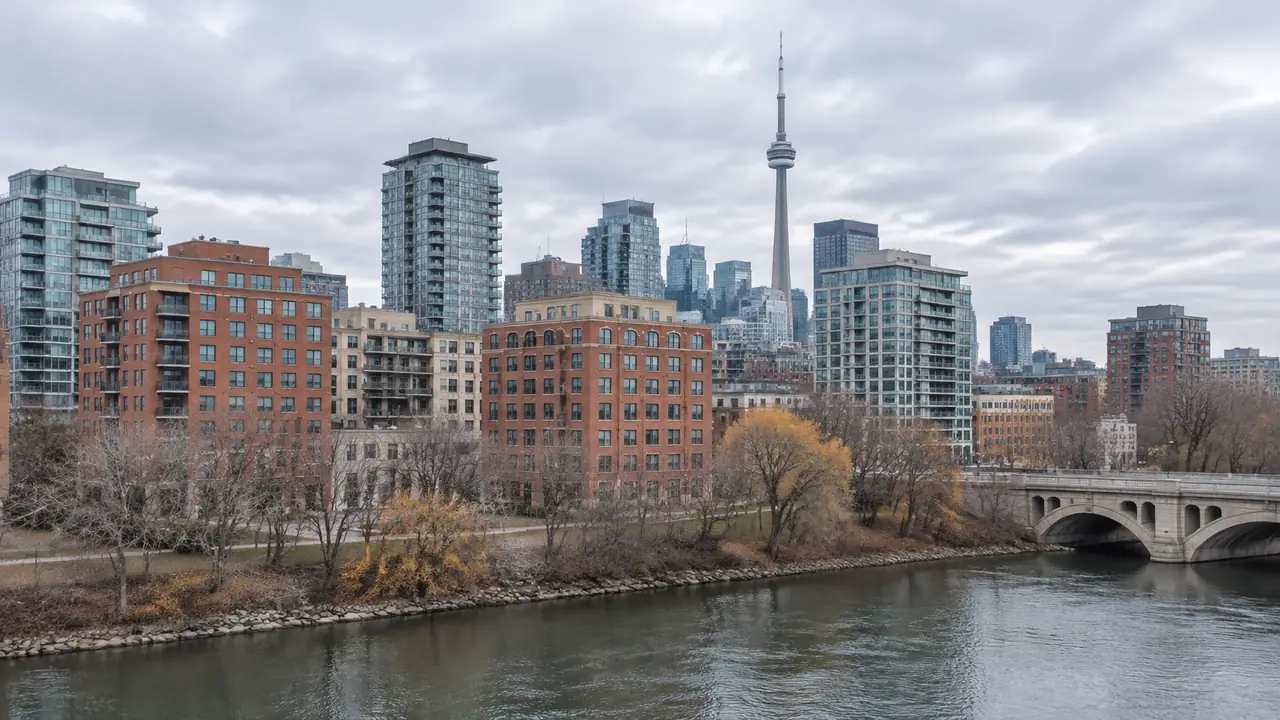

VR scene reviews: what teams verify in GenAnywhere
A scene review asks whether the place works before it asks whether it looks finished. Walk the entry, check sightlines and human scale, and record the answer against a named decision before the room clears, so the next build starts from written evidence rather than from opinion or fading memory.
VR gaming worlds: where GenAnywhere maps a real site
Gaming worlds drawn from real sites inherit constraints that invented maps hide: narrow streets, odd levels and buildings that do not line up. Mapping a real area gives a team those constraints early, at blockout cost rather than at full production cost, when changes are still far cheaper to make.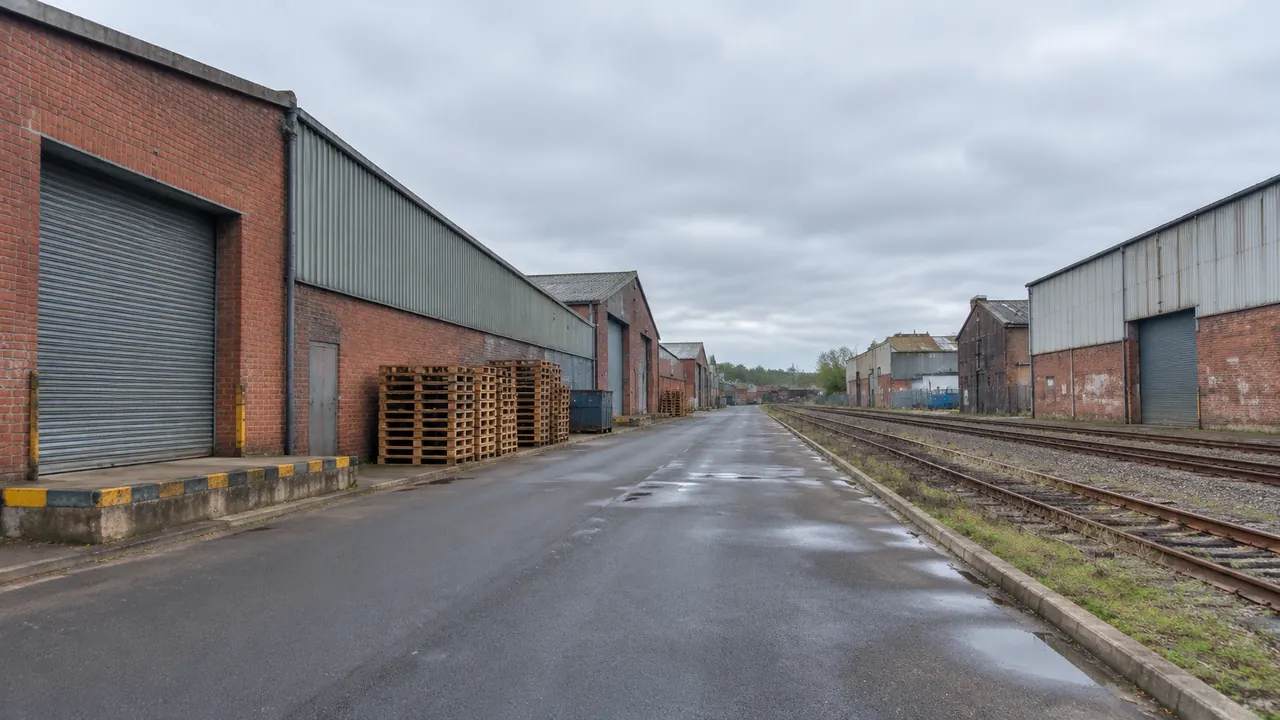
VR game prototypes: a 3D scene checklist GenAnywhere supports
A VR game prototype needs ground to stand on before it needs art. Draw an area, generate an editable site model, place a spawn and a play boundary, then test the entry route and scale with a headset on before scripting even a single interaction or prop in the engine.
VR asset export: what teams send to Unity from GenAnywhere
Export is a handover, not a finish line for the site model. Teams send an editable site model with separate building, terrain, water and vegetation layers as a general GLB file, then rebuild anything the player touches, stands on or passes through during play, keeping the arrangement as the reference.
VR game terrain: how GenAnywhere builds slopes and water
Terrain decides whether a VR route reads as a climb, a descent or a flat walk. Check slope, water and the edges between them in the generated model, then let the engine team author collision and movement that match what the headset actually shows a player during a short test.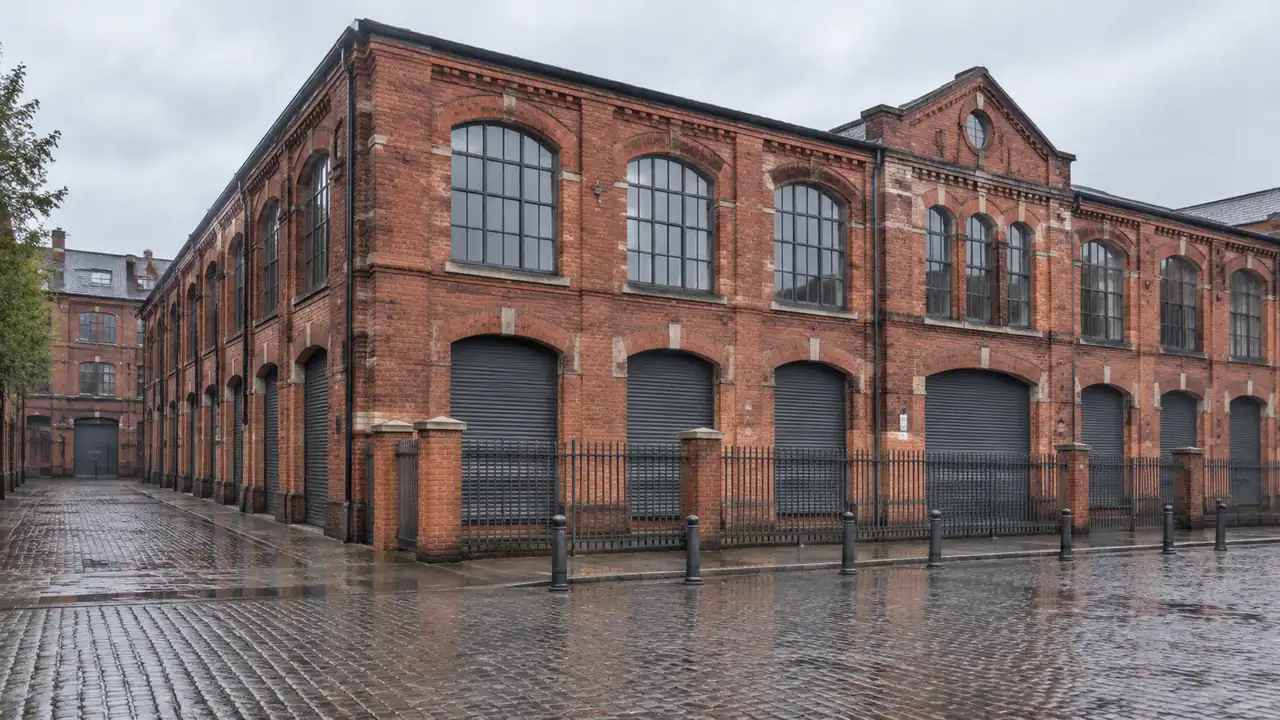
VR location-based games: what should a venue team check, GenAnywhere
A venue team judges a location-based game by what players see at the door, how they move inside and where staff can intervene during a session. Map-derived geometry answers the first two questions at blockout stage; daily operations, rigging, staffing and safety remain firmly the venue's own work and responsibility.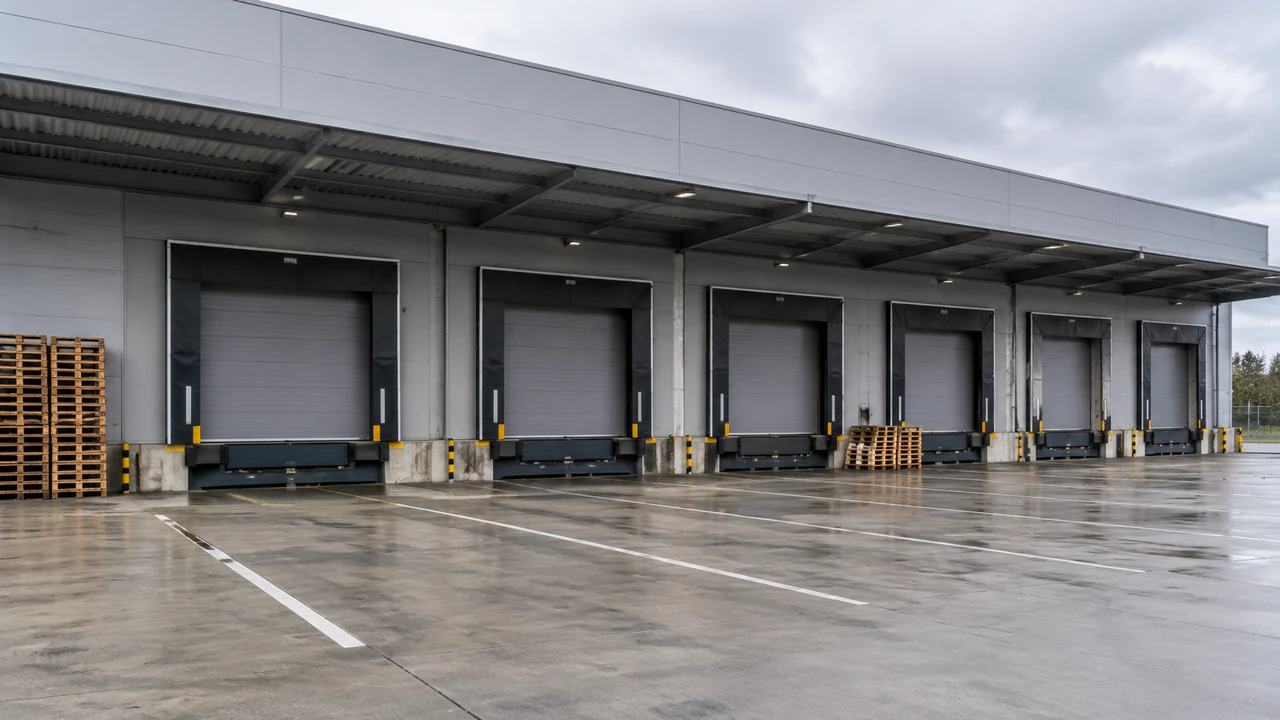
VR training games: three site checks before a GenAnywhere build
Training prototypes raise the cost of a wrong site. Check access, clearances and the route a trainee must walk before building the scenario, then confirm that the generated scene carries enough context for a headset review without pretending to be a full measured survey of the existing building as built.
VR worldbuilding: how studios block out a site, GenAnywhere
Worldbuilding starts with a site that behaves like a place: ground, massing, edges and a reason to move through them. A map-derived model supplies that base with real streets, levels and terrain, and the studio layers story, interaction and art on top of geometry it can quickly edit and replace.
VR level design: what to verify in GenAnywhere before blockout
Level design in VR depends on routes that work at eye height, not on a plan view. Verify boundaries, sightlines and human scale in an editable site model, then decide what the engine team must build before the blockout hardens into production geometry that is much costlier to change later.