

Model alternatives: a comparison checklist GenAnywhere supports
Comparing model alternatives is easier when the checklist follows evidence rather than features. The article covers source, coverage, edit tests, export losses and handover notes, with a short list teams can run before choosing a method or a tool for a site. A short list beats a long feature comparison.
Alternative workflows for site models: what to compare, GenAnywhere
Site model workflows differ in input, edit cost and what survives export. The comparison follows a single question from source to handover, so teams can see where a map-based base saves time and where a flight or authoring tool still earns its place in the sequence. Start with the question.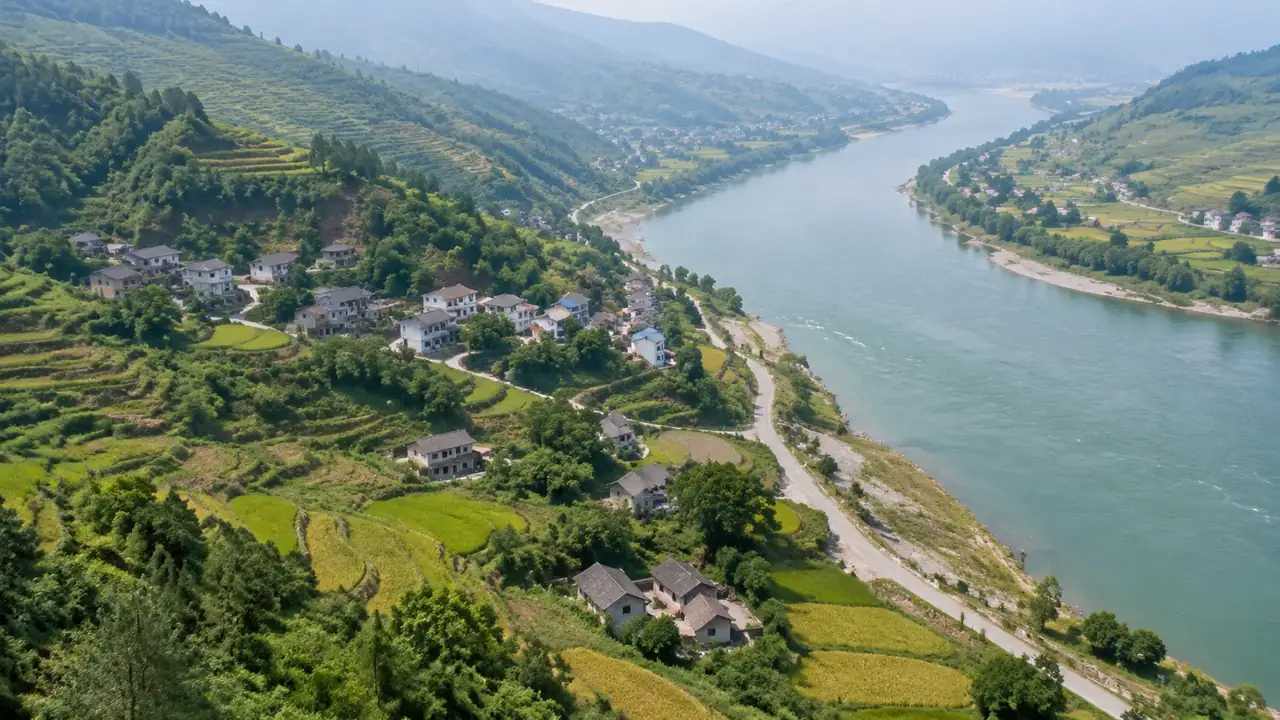
Photogrammetry alternative: where GenAnywhere fits a site review
A drone flight records surface detail at a moment in time; a map-based base records a wider area and can be edited. The article compares what each captures, where each fails, and how to combine them without implying a level of certainty that neither source provides. State that limit early.
Model alternative for planning: how teams use GenAnywhere
Planning conversations need a shared scene, not a finished model. GenAnywhere draws an area from map data, generates buildings, terrain, water and vegetation, and exports GLB. The article covers proposal tests, existing and proposed separation, publication limits and the note that keeps visual evidence honest. Short notes keep it usable.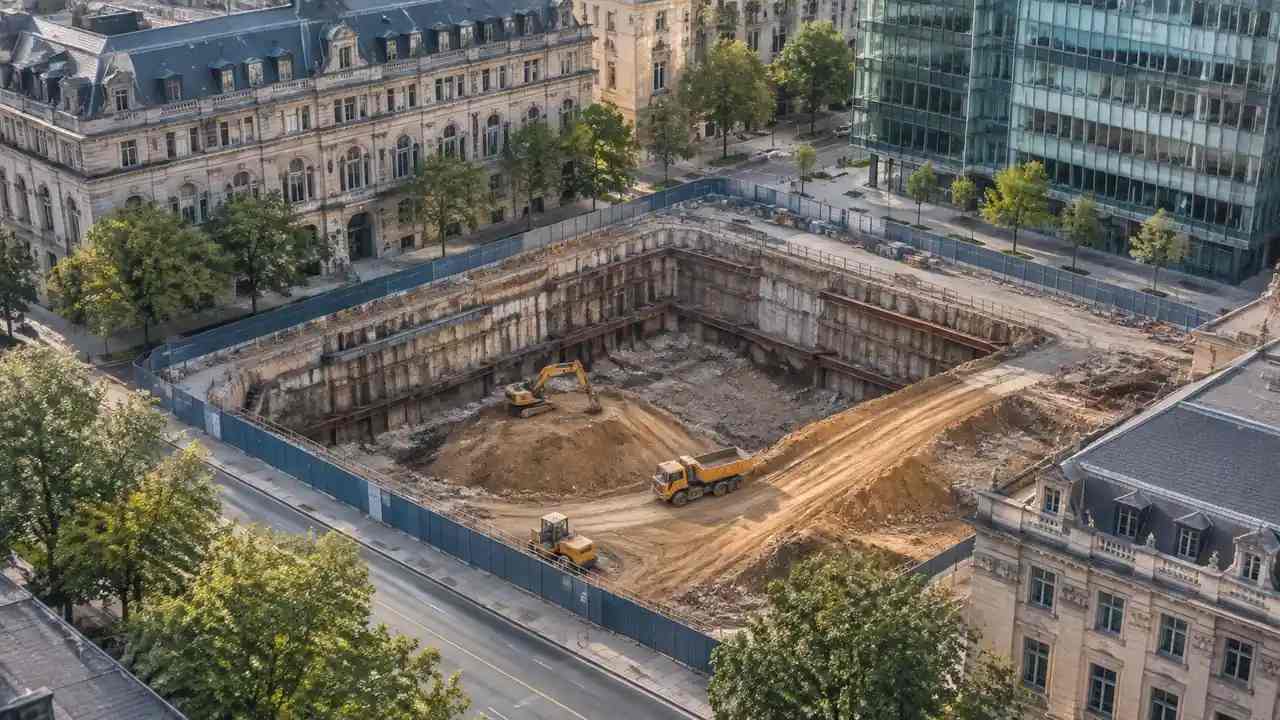
Revit alternative for early sites: what to verify, GenAnywhere
Revit documents buildings; early site questions need context sooner. This comparison covers where the base comes from, how its date is checked, what a GLB carries, and what the receiving team should verify before treating the scene as a working reference for coordination or review. The note records the rest.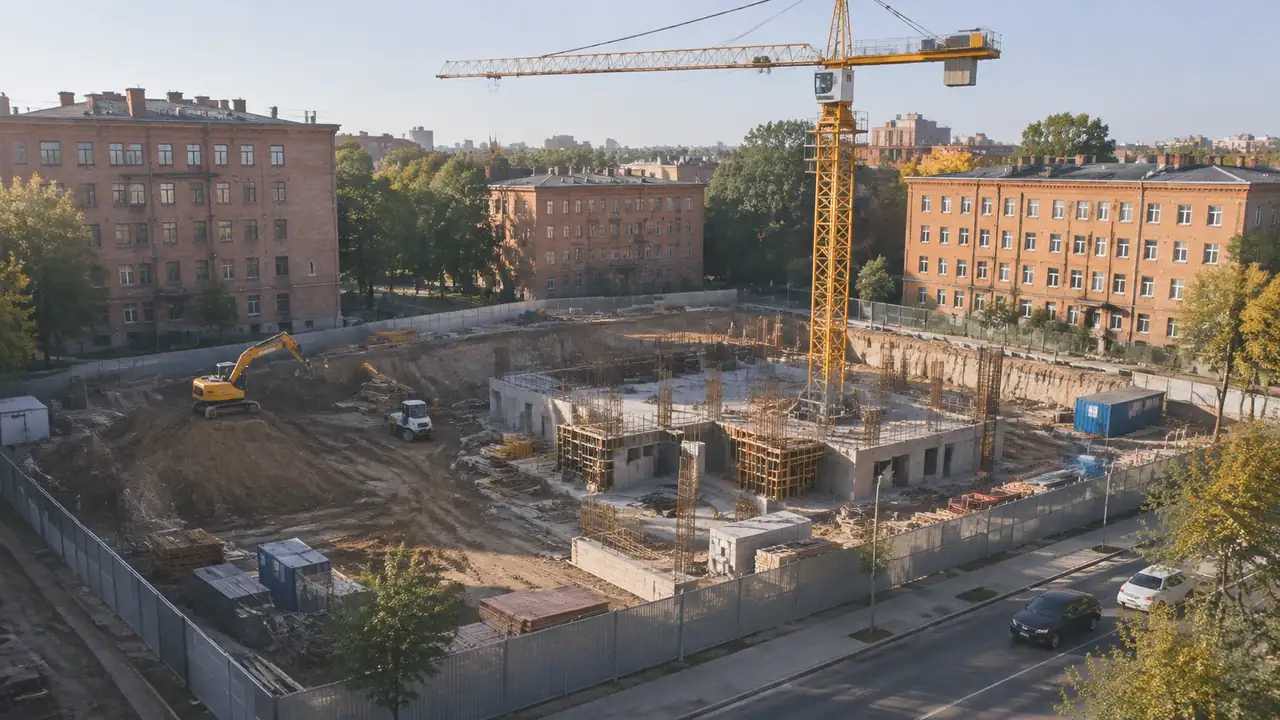
Alternative to manual site modeling: how teams start with GenAnywhere
Manual site modeling gives control but costs time before a question can be answered. A map-based base supplies buildings, terrain and vegetation in minutes, then leaves detail work to the team. The article explains what remains manual and when the trade is worth making for a given site early on.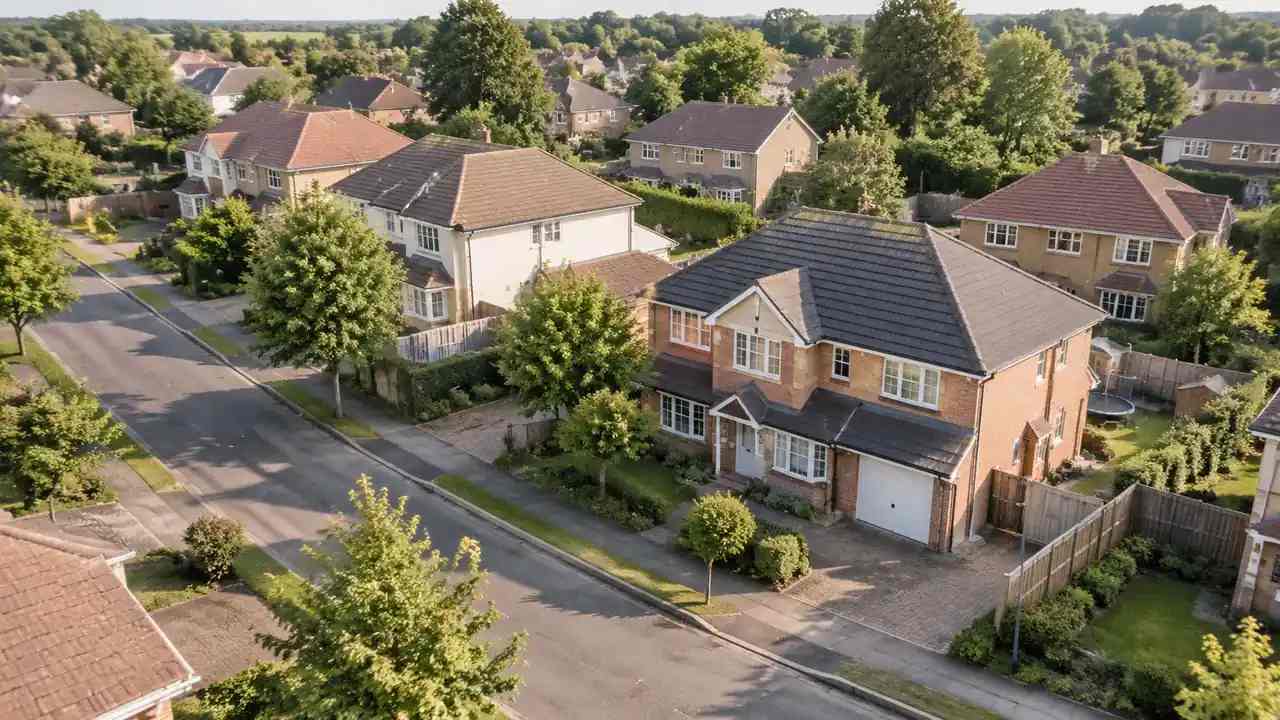
SketchUp alternative for site models: where GenAnywhere fits
SketchUp remains a design tool. GenAnywhere builds an editable site context from map data and exports GLB. The article covers scale, layers, materials and the manual work that stays, so teams can combine both without duplicating effort or losing the site's original source and its date. Both parts stay visible.
Modeling alternatives: a GenAnywhere review for early-stage teams
Modeling alternatives differ in inputs, outputs and revision cost. The review sets a single decision, names who owns each criterion, and tests one edit before scoring. GenAnywhere supplies an editable map-based base, while other methods may suit detail or documentation work later in the project. The order keeps reviews short.
BIM alternative for site context: what to check in GenAnywhere
BIM holds authored elements and documented properties. A site base holds geometry for context. This comparison sets out what each carries, what survives a GLB export, and which checks a receiver should run before using the scene in a review. It also names the limits worth stating clearly at handover.