

Site model checklist: an early review list GenAnywhere supports
A short checklist keeps a generated scene useful. The article covers the question, the audience, source date and coverage, layer names, recorded edits, export checks and a review that states its limits. Ten checks, run before the scene reaches a reviewer. The order matters as much as the list itself.
Site model vs BIM: where GenAnywhere fits a comparison
A site scene holds district context; a BIM model holds authored elements and properties. The article compares what each answers, how a GLB handover works and what breaks at the boundary. They meet through a shared anchor rather than a merge. Agree the anchor before the file moves across teams.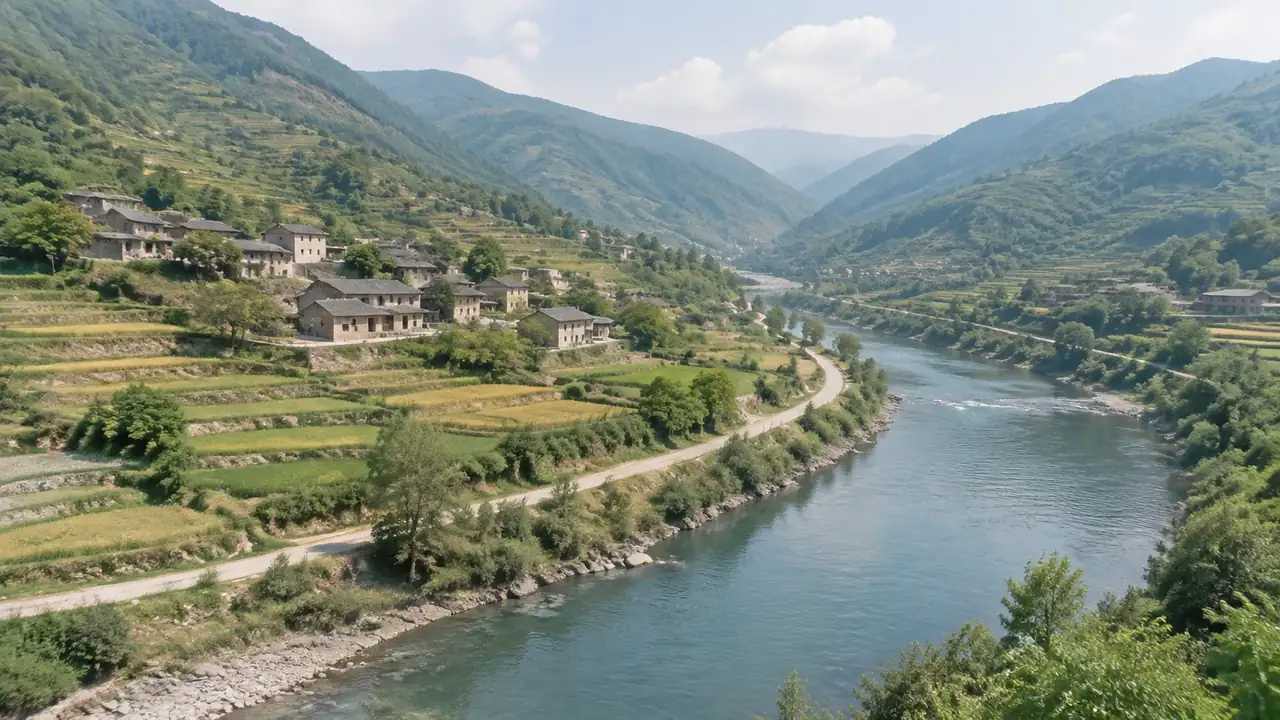
Site model layers: what to separate before review, GenAnywhere
Layers decide what a review can isolate. GenAnywhere keeps buildings, terrain and vegetation separate, and the article covers naming, toggling, separating existing from proposed and what survives an export. A short structure serves most reviews better than a deep one. Two groups that a reviewer will actually toggle are enough.
Site model review: how teams use GenAnywhere in public consultation
A consultation benefits from one shared scene. The article covers preparing existing and proposed layers, labelling the stage honestly, running a session and recording comments against locations. The scene supports discussion and carries no legal weight in an application. A record of what the room saw matters just as much.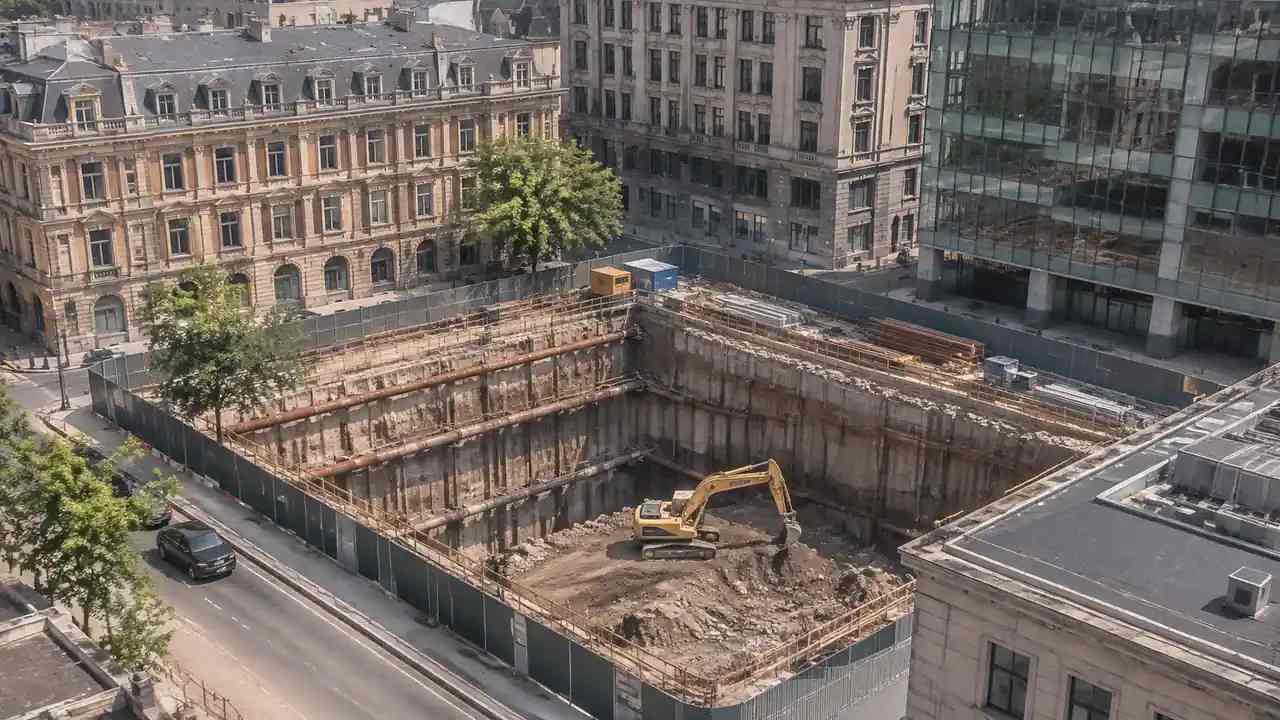
Site model export: what teams send to Unity from GenAnywhere
Exporting a site model to Unity starts with a general GLB. The file carries geometry and materials, not authored properties. The article covers preview checks, scale and origin, materials, naming and the handover note that makes an engine import repeatable for the next team. Keep the settings with the file.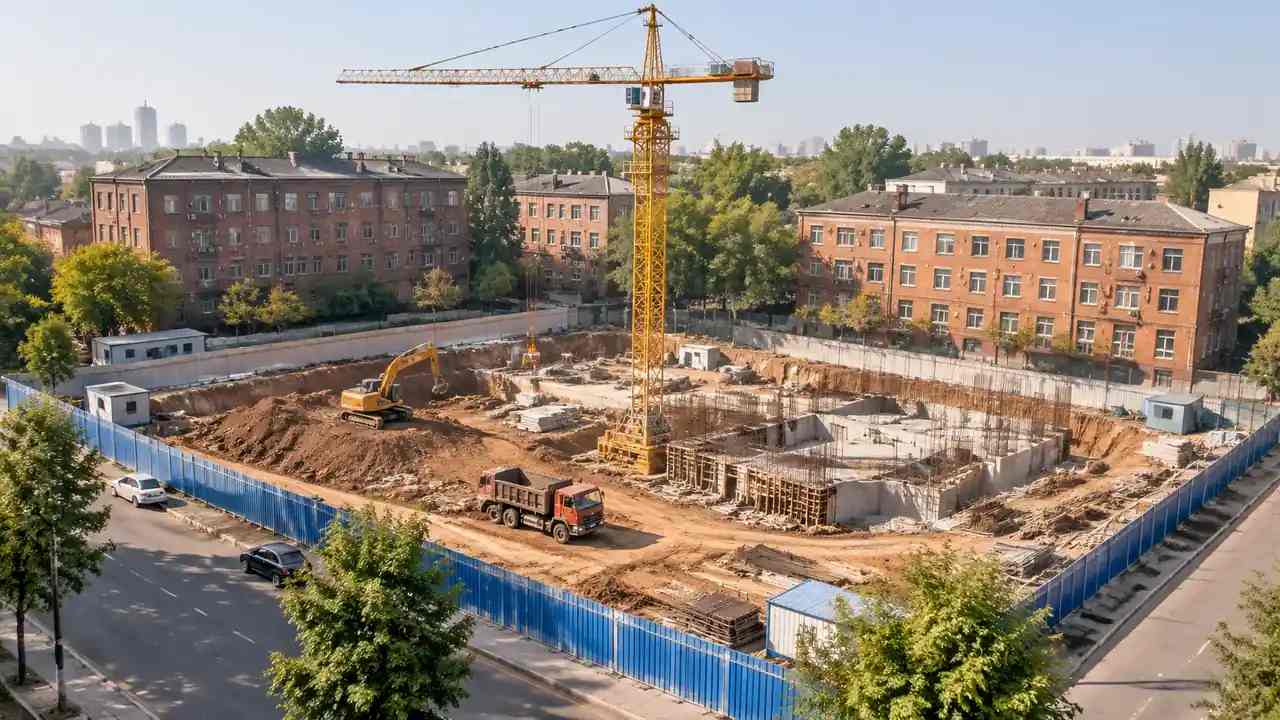
Site model terrain: how GenAnywhere builds slopes and water
Terrain decides how a scheme sits. GenAnywhere generates ground, water and vegetation from map data, smooths the surface and keeps each part in a layer. The article covers slopes, water edges, building placement and the point where a surveyed level takes over. Read the ground before placing any new building.
Site model limits: what it can and cannot show, GenAnywhere
Site model limits follow from the source. Heights are estimated, boundaries are representations and condition is absent. The article sets out what the scene shows well, where a confident answer becomes misleading and how a short scope note keeps the review honest. A short note is part of the scene.
Site model options: a GenAnywhere review for early-stage teams
Site model options differ in source, output and revision cost. This review frames one decision, names who owns each criterion, tests an edit before scoring and records why the other options were set aside for the stage in front of the team. The stage decides more than the tool list.
Site model existing conditions: what to check in GenAnywhere
Existing conditions are partly recorded by a map-based scene: footprints, estimated heights, ground, water and vegetation. Condition, levels and legal boundaries are not. The article explains what to check, what to record and when a site visit or a survey takes over from the scene. The gap is expected here.