
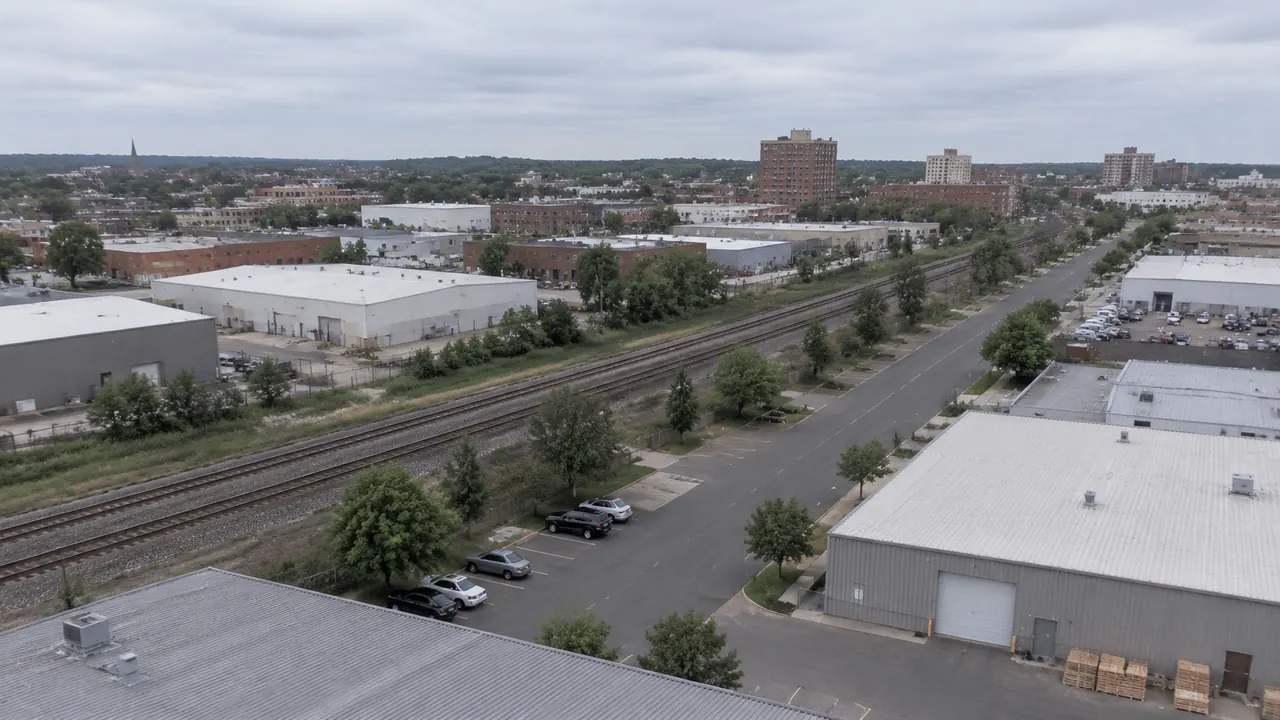
Data center zoning: what Minneapolis teams should review, GenAnywhere
Minneapolis data center reviews turn on parcel facts: zoning district, utility capacity, truck access, noise at the property line, floodplain exposure and visual context. This guide shows what to verify and where a generated site scene helps, without treating it as a zoning determination. The aim is a pre-application review.
Town centre renewal: a 3D site checklist GenAnywhere supports
Town centre renewal starts with vacancy, public realm, access and frontage. This checklist covers what to record street by street, how a 3D site scene supports the review, and when a structural survey or valuation still decides the next step. The aim is a clear street-level decision record for all.
Heritage planning: what GenAnywhere shows in the Padang case
Heritage planning in Padang needs a clear line between 3D context and conservation judgment. This guide covers massing, street edges, topography, water and archives, and what GenAnywhere can show in a scenario without claiming a documented project. The scene frames the question; people decide. That line keeps the work honest.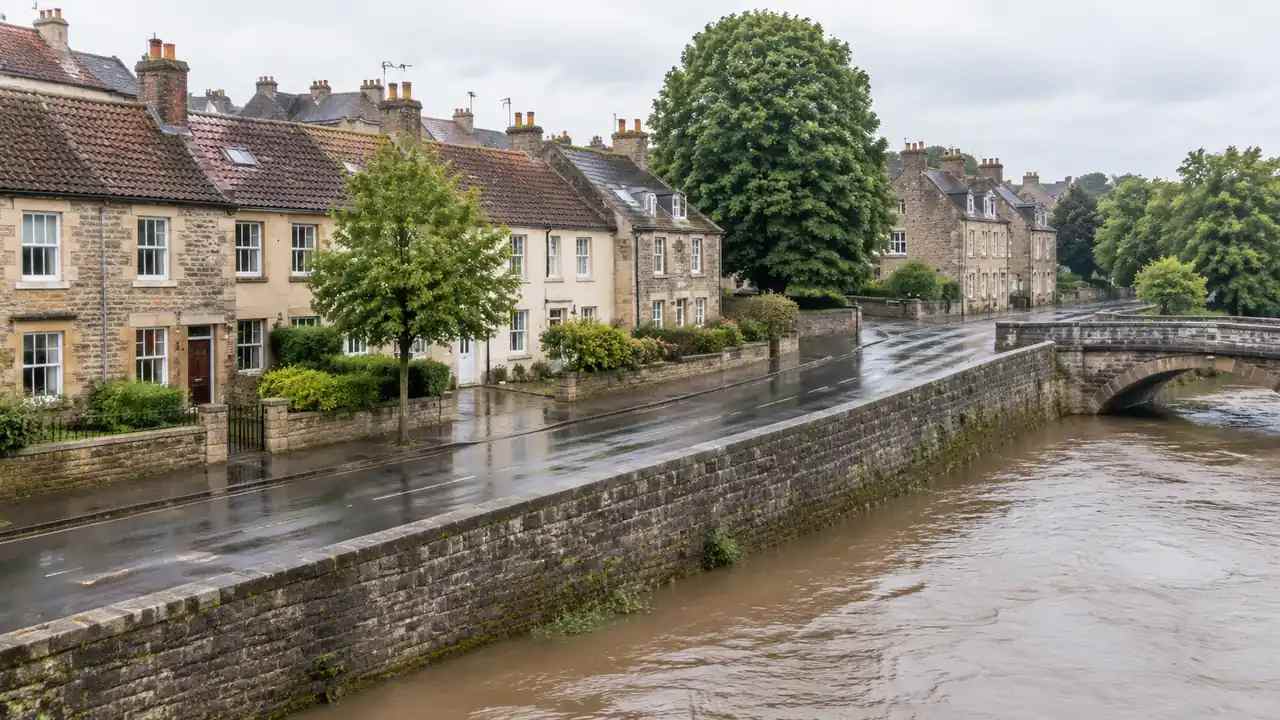
Repeated floods: where should site review start, GenAnywhere
Repeated flooding calls for a site review that starts with water routes, access, vulnerable rooms and drainage records. This guide covers mitigation and resilience questions, and where a generated scene helps without pretending to model flood depth or velocity. The result is a much better site question for engineers today.
Innovation districts: which sites merit a GenAnywhere 3D review
Innovation district reviews need more than a map. This guide covers transit, walkability, parcel assembly, utilities, adjacency and phasing, and explains which sites merit a 3D review in GenAnywhere before feasibility work begins. The aim is a shortlist worth testing. That is the review goal for the whole team here.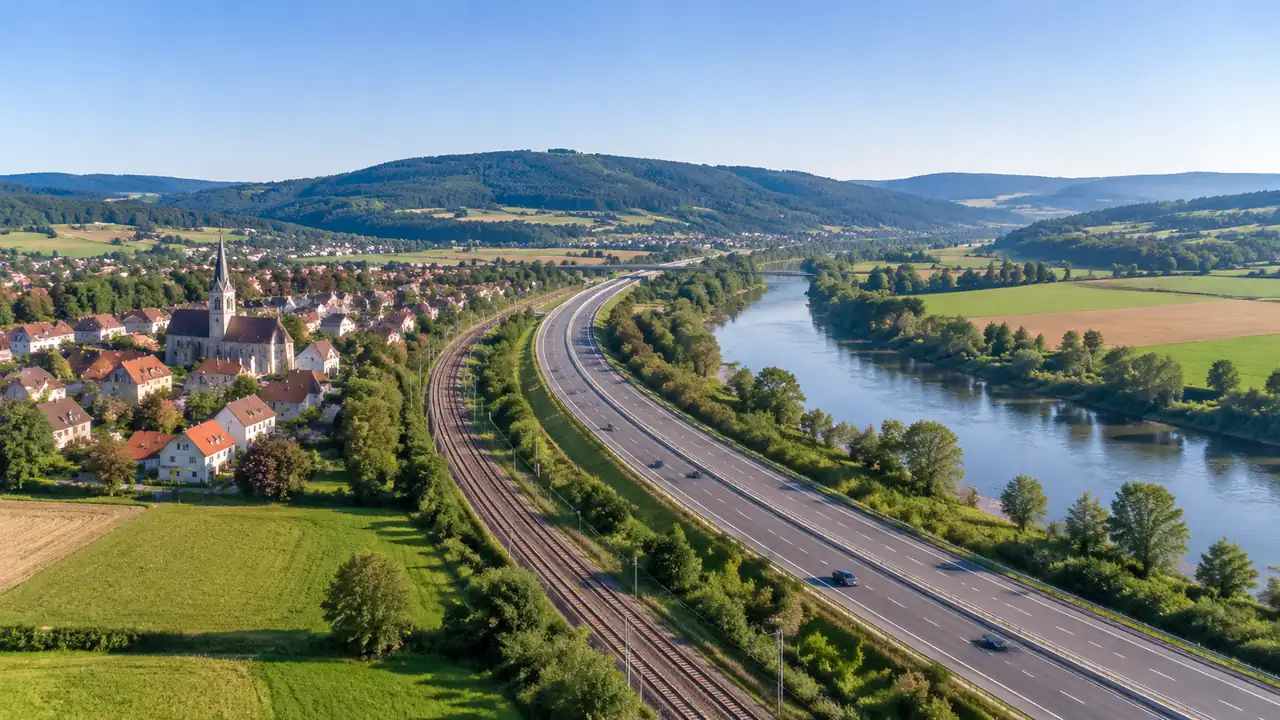
National physical plans: where GenAnywhere fits a site review
National physical plans set direction at a regional scale. This guide shows how to turn plan language into site-level review questions, what evidence to collect, and where a generated scene helps without implying development rights or compliance. The output should be a reviewable site question, not a final planning verdict.
Airport digital twins: how site teams use GenAnywhere
Airport digital twins start with site context, not a finished model. This guide covers terminal, apron, terrain and utility layers, the handoff to BIM, GIS and simulation teams, and where a generated scene stops and survey work begins. The aim is a shared frame for the whole project review team.
AEC design tools add AI: what project teams verify in GenAnywhere
AI features in AEC tools need verification, not blind trust. This guide covers provenance, layer behavior, massing checks, data permissions, export and human review, and explains where GenAnywhere fits an early site context before design work begins. The result should be a clear, reviewable decision for the whole project team.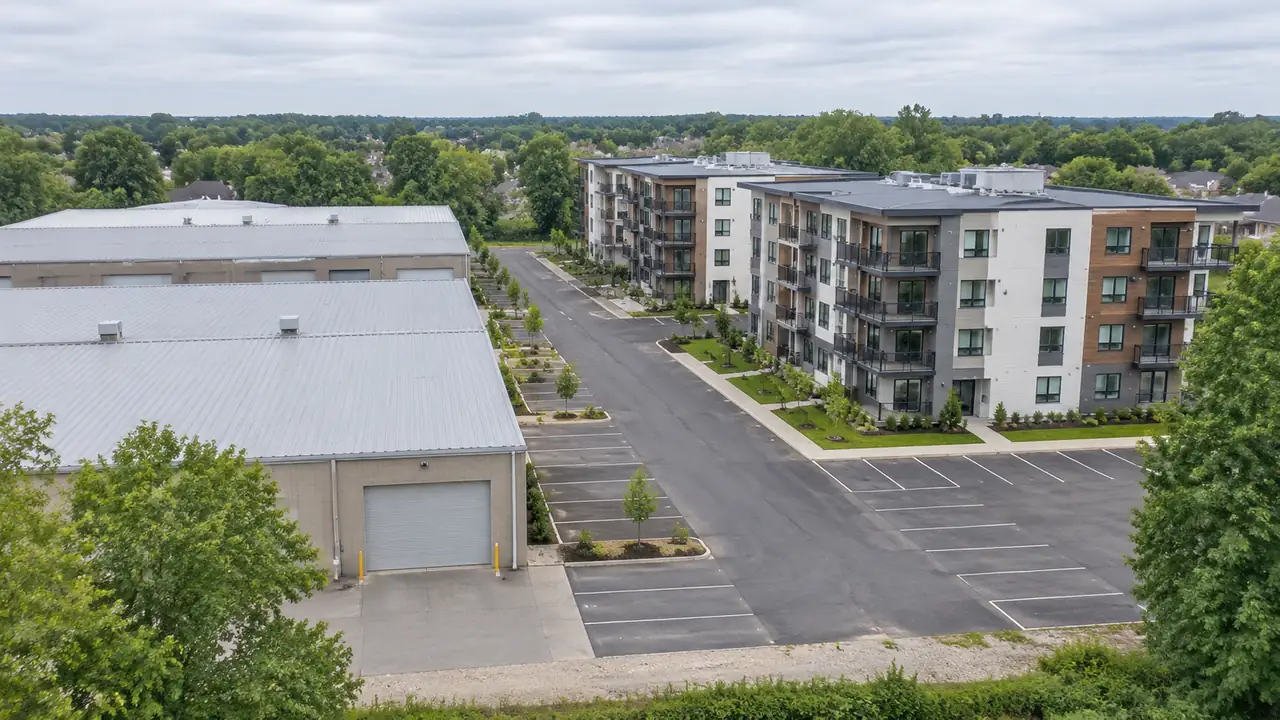
AI 3D generation for site review: a checklist GenAnywhere supports
A site review depends on visible checks, not a polished scene. This checklist covers scope, buildings, terrain, water, vegetation, edits, export, and the limits to record. It shows how teams can use GenAnywhere for an early site review and where a site visit still matters. The order keeps work honest.